Health and Safety Policy for Kingston Vale Storage
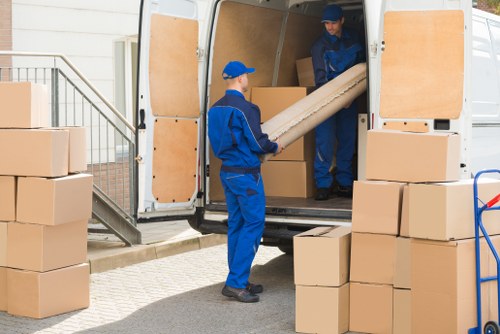 At Kingston Vale Storage, health and safety is a core responsibility shared by everyone on site. This policy sets out the principles that support a safe environment for staff, customers, contractors, and visitors. It applies to all activities carried out within the storage facility, including access, loading, unloading, unit use, maintenance, housekeeping, and emergency response. Our aim is to reduce risk, prevent injury, and maintain a secure, well-managed workplace through clear rules, regular checks, and sensible behaviour.
We believe that a strong storage health and safety culture depends on awareness and cooperation. Everyone entering the premises is expected to act responsibly, follow site rules, and report anything that may create a hazard. This includes unsafe stacking, obstructed walkways, spills, damaged equipment, fire risks, and suspicious activity. By taking prompt action and encouraging careful conduct, Kingston Vale Storage can maintain a safer environment for all users.
 The management team is responsible for reviewing risks, setting procedures, and making sure the premises are maintained to a safe standard. This includes regular inspections of common areas, lighting, doors, access routes, fire safety equipment, and equipment used on site. Where hazards are identified, action will be taken quickly and records will be kept. Risk assessment is a continuing process, not a one-time task, and it supports better decision-making across daily operations.
Safe Working Practices
All individuals using Kingston Vale Storage should keep aisles, entrances, and shared spaces clear. Items must be stored safely inside units so they do not fall, block airflow, or create unstable conditions. Heavy goods should be placed lower down where possible, and fragile items should be protected from pressure and impact. Good housekeeping helps prevent trips, slips, and falls, which are among the most common causes of accidental injury in storage settings.
Customers and staff must use equipment only for its intended purpose and only if they are confident it can be operated safely. Trolleys, pallet trucks, and similar handling aids should be checked before use, and defective items should be removed from service immediately. Lifting techniques should be sensible and controlled, with assistance sought for awkward, bulky, or unusually heavy objects. When needed, team members should work together and avoid rushing, especially during busy periods.
 Fire prevention is a key part of the Kingston Vale Storage safety policy. Flammable materials, illegal substances, explosives, and hazardous goods are not permitted unless specifically authorised under site rules. Corridors, exits, and firefighting equipment must remain accessible at all times. Smoking, open flames, and unsafe electrical use are prohibited in areas where they could create danger. Any sign of overheating, unusual odours, smoke, or electrical fault must be reported and dealt with immediately.
Training, Reporting, and Emergency Response
Training and communication are essential to effective storage facility safety. Staff should receive appropriate instruction on emergency procedures, safe equipment use, incident reporting, and the control of common hazards. Refresher training will be provided where needed to keep knowledge up to date. Visitors and customers should also be made aware of the basic expectations that apply while on site, including access control, emergency routes, and prohibited behaviour.
Any accident, near miss, or unsafe condition must be reported as soon as possible so it can be investigated and corrected. Reporting helps Kingston Vale Storage identify patterns, strengthen controls, and reduce the chance of similar incidents happening again. Records may be used to improve procedures, support training, and monitor whether additional safeguards are needed. Prompt reporting is a practical way to protect people and property.
In an emergency, calm and orderly action is essential. Staff and customers should follow site instructions, leave by the nearest safe route when directed, and avoid actions that could delay evacuation or place others at risk. Emergency equipment and exit routes must never be blocked by stored items, vehicles, or loose materials. Regular checks and clear signage help reinforce safe behaviour and support quick response when it matters most.
Shared Responsibility and Ongoing Review
Kingston Vale Storage will review this policy regularly to ensure it remains effective and appropriate for day-to-day operations. Changes in activity, layout, equipment, or risk profile may require updates to procedures and controls. Management will monitor compliance, encourage safe habits, and take corrective action where necessary. A safe site depends not only on written rules but on consistent follow-through and practical attention to detail.
 Everyone on site has a role in maintaining a safe environment. Staff should lead by example, and customers should respect posted instructions, avoid unsafe behaviour, and store their belongings responsibly. Where extra support is needed, it should be requested before a problem develops. Safety awareness is strengthened when people pause, assess conditions, and choose the cautious option instead of the convenient one.
 This policy reflects Kingston Vale Storage’s commitment to a secure and responsible storage environment. By prioritising prevention, clear communication, and cooperation, the facility can reduce hazards and protect people, premises, and possessions. Health and safety is not a separate task; it is part of how the business operates every day, from routine access to emergency readiness.